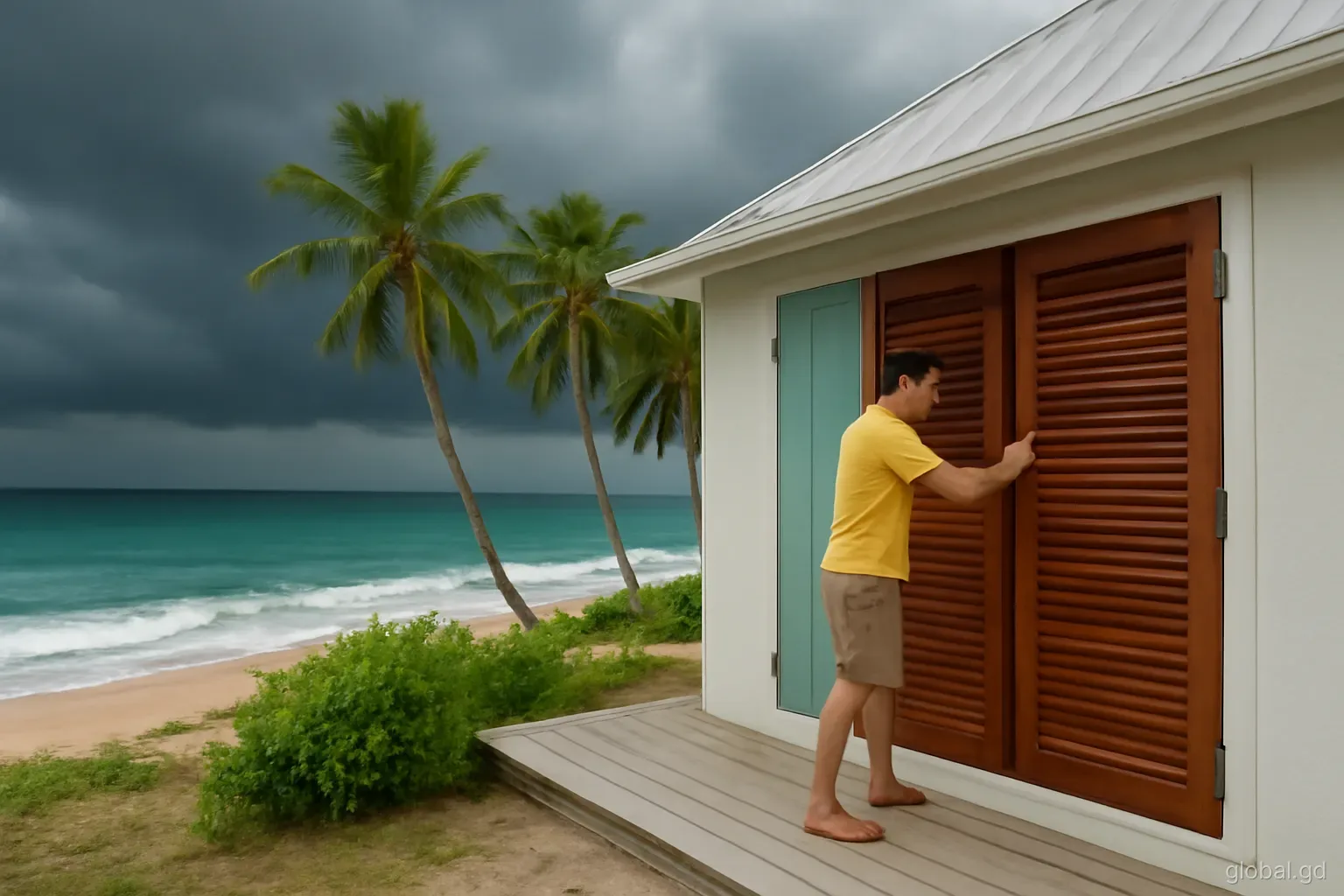
Carriacou attracts a particular kind of remote worker: someone who wants a small island, unhurried days, sailing culture and sea views more than restaurants and nightlife. About 34 square kilometres of dry hills and sheltered bays, with Hillsborough as its main town and Tyrrel Bay as its busiest anchorage, it offers a slower pace than the main island in almost every respect.
It also comes with real constraints, and they became sharper after Hurricane Beryl struck as a major hurricane in July 2024, damaging or destroying most buildings on the island. Recovery has been substantial but uneven, and conditions continue to change. This guide explains what to check before choosing Carriacou as a base, and how to plan for the island's particular realities. Confirm the current situation with recent, local sources before you commit.
Why remote workers consider Carriacou
The appeal is easy to see. Days on Carriacou are quiet, the community is close-knit, and the sea is never far away: Paradise Beach at L'Esterre, Anse La Roche on the north-west coast and the white sand of Sandy Island just offshore. The island has a strong boatbuilding and sailing heritage, and its regatta and Big Drum traditions give it a cultural identity distinct from the main island.
For someone whose work happens on a laptop, the lack of distraction is part of the attraction. Many long-stay visitors describe a rhythm built around early-morning work, a swim, more work and an evening on the waterfront. The yachting community around Tyrrel Bay brings a steady flow of international visitors, and it is easier to get to know people on a small island than in a busier place.
Costs can be lower for some things, such as simple accommodation outside the peak months, but higher for others, since most goods arrive by boat from Grenada or further afield. Choice is limited, and you should expect to adapt rather than find everything you are used to.
Connectivity: check, then check again
Mobile networks. Digicel and Flow both serve Carriacou. Coverage in Hillsborough and around Tyrrel Bay has generally been usable, but hills create weak spots and storm damage affected infrastructure. Test both networks at the specific home you are considering.
Fixed broadband. Fixed internet options are more limited than in the south of the main island. Ask exactly what service a property has, test upload speed and latency, and find out how quickly faults are typically repaired.
Satellite. Satellite connections gained importance after Beryl, when terrestrial networks were damaged. If your income depends on calls, ask whether the property has one or whether you could install one, subject to current availability and licensing.
Backup is not optional. On a small island, a single fault can affect a whole area. Keep SIMs from both networks and a power bank, and identify a café or guesthouse with a separate connection near your base.
Power, water and the practicalities of a dry island
Carriacou has no rivers and relies heavily on rainwater. Most homes collect water from their roofs into cisterns, supplemented by desalinated or trucked water where available. In the dry season, roughly January to May, cisterns can run low, and careful water use is part of daily life. Ask how large a property's cistern is, whether it is in good condition after the hurricane, and what happens if it runs dry.
Electricity is supplied by GRENLEC, and Beryl caused extensive damage to the grid. Restoration took a long time in some areas, and many households and businesses invested in generators or solar systems. A home with solar panels and battery storage offers the most resilience for remote work, while a generator offers protection at the cost of fuel and noise.
Shopping is more limited than on the main island. Hillsborough has small supermarkets, shops and a market area, and supplies arrive regularly by sea. Specialised items, electronics and spare parts may need to come from the main island, so bring backups of anything your work depends on, such as chargers and cables.
Getting there and getting off
Access matters more on Carriacou than on the main island, both for everyday travel and for leaving in an emergency.
- By sea: passenger ferries have long linked St George's with Hillsborough, often continuing to Petite Martinique. Schedules and operators can change, and services were disrupted after Beryl, so check the current timetable directly with the operator before planning.
- By air: Lauriston Airport near Hillsborough handles small aircraft from Maurice Bishop International Airport. Flights are short, seats are limited and luggage allowances are tight.
- Onward links: international connections are through the main island, so allow a buffer day when travelling to or from long-haul flights.
- Getting around: the island has buses on main routes, taxis and car or scooter hire. Many long-stay visitors find a vehicle useful for shopping and reaching beaches.
- Emergencies: the Princess Royal Hospital at Belair serves the island, while serious cases are transferred to the main island. Ensure your insurance covers medical evacuation.
Questions to settle before renting
Ask these of any landlord or host, and if possible verify them yourself during a short trial stay.
- What type of internet does the property have, what are typical upload speeds, and how long did it take to restore after the hurricane?
- Is there solar, battery storage or a generator, and who pays for fuel or maintenance?
- How large is the cistern, when was it last cleaned, and how is water supplied if it runs low?
- What repairs were made after Beryl, and are the roof, shutters and windows in good condition?
- How close are the nearest shop, bus route and medical facility?
- Is the lease flexible enough to leave at short notice if a storm threatens or work requires it?
- Which mobile network works best inside the house, and is there a spot with a reliable signal for calls?
Community life on a small island
Carriacou's population is small, and people know each other. Greeting people, taking time to talk and supporting local businesses matter more here than on the busier main island, and newcomers who show interest in island life are generally welcomed. Word travels quickly, both about good tenants and about those who cause friction.
The island has strong traditions, including the Big Drum dance, the August regatta, boat launchings and maroon celebrations tied to the agricultural calendar. These events are part of daily life rather than tourist shows, and visitors who attend respectfully often find them the highlight of a stay.
Petite Martinique, a short boat ride away, is even smaller, with a seafaring community of its own. It is worth a visit, but anyone considering basing themselves there should apply every caution in this article twice over, particularly regarding connectivity, supplies and the effects of Hurricane Beryl.
Mistakes to avoid on Carriacou
Relying on old reviews. Many businesses and rentals changed after Beryl. Reviews and listings from before July 2024 may describe places that no longer operate or look very different.
Committing long term without a trial. Spend a week or two first. Island life suits some people for years and others for a fortnight.
Bringing a single device. If a laptop fails, replacements and repairs may take time. Carry a backup device or at least a phone capable of handling essential work.
Forgetting the hurricane season. Carriacou's experience in 2024 shows the risk is real. Plan exits and backups before June.
Wasting water. Long showers and running taps drain a cistern quickly in the dry season. Ask the host how much water is available and use it accordingly.
Expecting main-island services. Shops close earlier, choice is limited and some services visit from the main island only on certain days. Plan errands rather than leaving them to the last minute.
Frequently asked questions
Is Carriacou good for remote work?
It can be, for people who value quiet and are prepared to manage connectivity, power and water carefully. Test the internet at the specific property, keep backups, and confirm the current post-Hurricane Beryl situation with recent local sources before committing.
How do you get to Carriacou from Grenada?
By passenger ferry from St George's to Hillsborough or by small aircraft to Lauriston Airport. Schedules and operators change and were disrupted after Hurricane Beryl, so check current arrangements directly with operators before travelling.
Has Carriacou recovered from Hurricane Beryl?
Recovery has been substantial but uneven since the July 2024 hurricane, with rebuilding continuing. Some businesses and rentals have reopened, others have changed or closed. Check before you go rather than relying on information from before the storm.
Is there reliable electricity on Carriacou?
GRENLEC supplies the island, but Beryl caused extensive grid damage and restoration took a long time in places. Many households now use solar or generators. Remote workers should choose properties with backup power where possible.
Where do people stay long term on Carriacou?
Long-stay visitors often base themselves around Hillsborough, for shops and services, or near Tyrrel Bay and Harvey Vale, for the anchorage community. Quieter areas such as L'Esterre and the hills offer views but usually need transport.