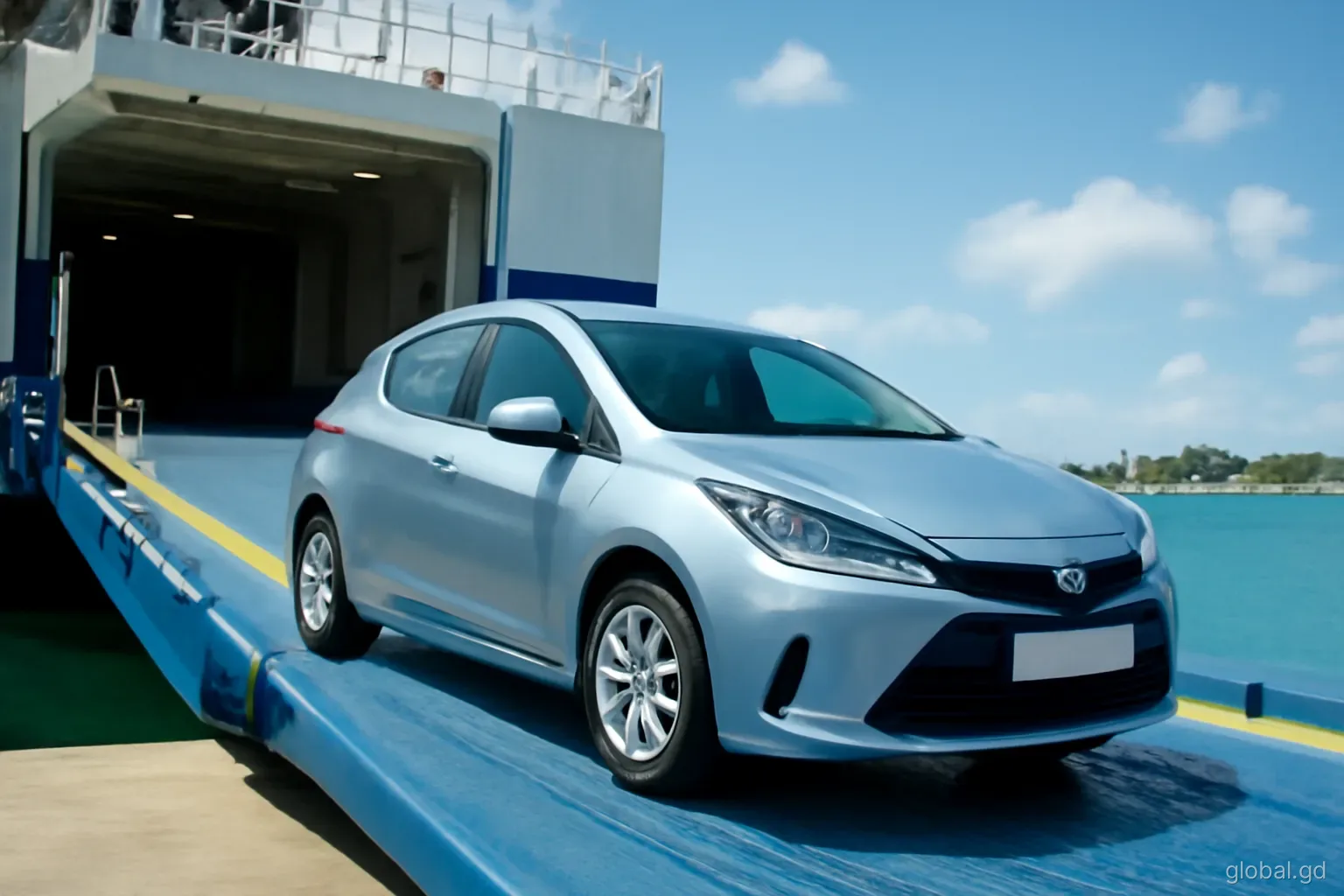
Grenadian roads are full of Japanese hatchbacks, sedans, pickups and minibuses, many of which arrived as used imports. Buying a car abroad and shipping it in can be cheaper than buying locally, but it can also be a costly mistake. Government charges on motor vehicles are among the highest on any import, and the final bill depends on the vehicle's value, age, engine size and type.
This guide explains how importing a used vehicle into Grenada generally works, from choosing the car to putting it on the road, and the traps that catch first-time importers. Charges and rules on vehicle imports, including any age-related provisions, are set by government and revised, so get a written estimate from a licensed customs broker and confirm the current position with the Customs and Excise Division before buying.
Choosing the right vehicle for Grenada
Grenada drives on the left, and right-hand-drive vehicles are the norm. They are easier and safer to drive on narrow, winding roads, especially when overtaking, and resale is easier. Left-hand-drive vehicles from North America can be imported and registered, but they are less practical and less attractive to local buyers.
Japanese brands dominate the market, which means parts, mechanics and know-how are readily available. A popular model will be cheaper to maintain than a rare European or North American vehicle whose parts must be ordered from abroad. Consider fuel efficiency, since fuel prices are high, and ground clearance, since some rural roads and driveways are steep, rough or prone to flooding in heavy rain.
Engine size matters for cost as well as performance. Vehicle charges in Grenada have generally increased with engine capacity and value, so a small, efficient engine can save a substantial amount at import. Pickups, minibuses and commercial vehicles may be treated differently from private cars. Minibuses used as route buses also need separate public service licensing, so anyone importing one for that purpose should check the requirements with the transport authorities before buying.
What the charges are made of
Customs value. Charges are generally calculated on the customs value, based on the price paid plus freight and insurance to Grenada. Customs may refer to reference values for vehicles, so a very low declared price can be reassessed.
Import duty. Applied according to the tariff for the vehicle type, under the Common External Tariff for vehicles from outside CARICOM.
Excise tax. Vehicles typically attract excise tax, often the largest charge, which has generally varied with engine size and vehicle type.
VAT and other charges. VAT at the standard rate is generally applied on the value plus duty and other charges, and further charges such as a customs service charge or environmental levy may apply.
Age. Older vehicles may face additional charges or restrictions, and policy on the age of imported vehicles has been the subject of public debate. Confirm the current rules before buying an older vehicle.
Concessions. Returning nationals, some businesses and certain sectors may qualify for concessions on vehicles, which must be approved in advance.
From purchase to the road
A typical import follows this sequence:
- Get a written estimate of all charges from a licensed customs broker for the specific make, model, year, engine size and price you are considering.
- Buy the vehicle from a reputable dealer or exporter, obtaining the bill of sale, title or export certificate and a clear record of the vehicle's history.
- Arrange shipping, usually by roll-on roll-off vessel or in a container, to the port of St George's, with marine insurance.
- When the vessel arrives, pay freight and local charges to the shipping agent and obtain release documents.
- Your broker lodges the customs declaration; Customs assesses charges and may inspect the vehicle.
- Pay duty, excise, VAT and other charges; Customs releases the vehicle.
- Have the vehicle inspected and registered with the relevant authorities, obtain number plates and a licence, and arrange at least the legally required motor insurance before driving.
Buying abroad: where vehicles come from
Many used vehicles in Grenada come from Japan, where strict inspection rules mean cars are often sold at relatively low mileage. Exporters there buy from auctions and ship to Caribbean ports, sometimes through transhipment hubs. Others come from the United States, Britain or regional markets.
Buying online from a distant seller carries risks. Use exporters with a track record of shipping to the Caribbean, and look for auction sheets, inspection reports and clear photographs. Be cautious about vehicles that seem unusually cheap, and verify that the seller has the right to export the vehicle.
Some Grenadians buy through local dealers who handle the import, which costs more but transfers much of the risk. Comparing the price of a dealer-imported vehicle with your own estimated landed cost, including your time and the risk of problems, often makes the dealer option more attractive than it first appears.
Traps that catch first-time importers
Vehicle imports go wrong in predictable ways:
- Budgeting on the purchase price. Charges on vehicles can exceed the price paid for the car itself. Always get the broker's estimate first.
- Undervaluing. Declaring an artificially low price leads to reassessment, delays and potential penalties.
- Ignoring age rules. An older vehicle may face extra charges or restrictions that make it uneconomic.
- Hidden damage. Flood-damaged or accident-repaired cars are sometimes exported to markets where buyers cannot inspect them.
- Rare models. A cheap import of an unusual model can become expensive when parts are needed.
- Storage at the port. Delays in paying or completing documents lead to storage fees.
- Hurricane-season shipping. Storms can delay vessels, and vehicles stored outdoors at the port are exposed.
Buying locally instead
For many people, buying a used vehicle already in Grenada is simpler. Local dealers sell new and used vehicles, and private sales are common, advertised through word of mouth, social media and classifieds. The price includes duties already paid, and you can inspect and test-drive the car before buying.
When buying locally, check that the seller's name matches the registration, that there are no outstanding loans secured on the vehicle, and that the licence and insurance are current. A trusted mechanic's inspection is worth the fee, especially for checking rust from salt air, suspension wear on rough roads and signs of flood damage.
Compare a local purchase with your estimated landed cost for an equivalent import. Include broker fees, port charges, inspection, registration and the time involved. The gap between local and imported prices is often smaller than people expect once all the costs are counted.
Running a car in Grenada
Ownership costs continue after import. Fuel is expensive by North American standards, and insurance, annual licensing and maintenance add up. Salt air near the coast accelerates rust, and steep roads wear brakes and clutches. Regular washing, rust treatment and servicing extend a vehicle's life.
Visitors and new residents driving on foreign licences generally need a local driving permit for a period, and longer-term residents usually convert to a Grenadian licence. Speed limits, seatbelt rules and drink-driving laws are enforced by the Royal Grenada Police Force.
Finally, think about resale. Popular right-hand-drive Japanese models in good condition hold their value well in Grenada, while unusual imports can be hard to sell. The best import is often the one that will still be easy to maintain and sell in five years.
Hurricane preparation applies to cars too. When a storm approaches, owners move vehicles away from trees, rivers and low-lying coastal roads, and keep the tank full in case fuel supplies are disrupted afterwards. Check whether your insurance covers storm and flood damage, since basic third-party cover does not, and photograph the vehicle at the start of each hurricane season in case you need to make a claim.
Frequently asked questions
Is it cheaper to import a used car or buy one in Grenada?
It depends on the vehicle and the charges. Duties, excise and VAT on vehicles are high, and local costs add up. Get a written estimate from a licensed broker for the specific vehicle, then compare it with local prices for similar cars, including your time and risk.
Can a left-hand-drive car be registered in Grenada?
Left-hand-drive vehicles can generally be imported and registered, but Grenada drives on the left and most vehicles are right-hand drive. Left-hand-drive cars are less practical on narrow, winding roads and harder to resell. Confirm current registration requirements before shipping.
Are there age limits on imported vehicles?
Older vehicles may face additional charges or restrictions, and policy in this area has been debated and revised over time. Confirm the current rules with the Customs and Excise Division or a licensed broker before buying an older vehicle abroad.
What charges apply when importing a vehicle?
Typically import duty, excise tax, VAT and other charges such as a customs service charge or levies, calculated on the customs value. The total depends on value, engine size, type and age. A licensed customs broker can provide an estimate for a specific vehicle.
Can returning nationals import a vehicle duty-free?
Returning nationals may qualify for a concession on one vehicle, subject to conditions on ownership, age and use, and approval must usually be obtained before shipping. Confirm the current conditions with the ministry responsible for diaspora affairs and Customs.
How is a vehicle shipped to Grenada?
Usually by roll-on roll-off vessel, where the vehicle is driven aboard, or inside a container, which offers more protection. Shipments often go through transhipment hubs. Arrange marine insurance and use an exporter or forwarder experienced with Caribbean shipments.