The first fortnight in Grenada decides how smoothly the rest of a long stay goes. Get the connectivity, power backup, money, transport and paperwork right early, and the following months are mostly about work and the island. Leave them until something breaks, and you may find yourself buying a SIM during an outage or queueing at the Immigration Department the day your stamp expires.
This checklist runs roughly in order, from arrival day to the end of week two. It assumes you are staying at least a month and working for overseas clients or an employer. Details such as fees, opening hours and plans change, so confirm them locally as you go.
Arrival day and the first 48 hours
Keep the first two days simple and focus on the basics that everything else depends on.
- At the airport, check the period of stay stamped in your passport and note the expiry date in your calendar with a reminder two to three weeks before it.
- Withdraw some Eastern Caribbean dollars from an ATM or change a modest amount, enough for taxis, small shops and buses, which generally prefer EC cash.
- Buy a local SIM from Digicel or Flow, at their stores or authorised dealers, choosing a data plan sized for at least a week of work. Bring your passport, as identification is usually required.
- At your accommodation, run a speed test at the desk where you will work, check both mobile networks there and make a short test call.
- Locate the nearest supermarket, pharmacy and bus stop, and stock up on drinking water and basics.
- Tell your employer or clients that you have arrived and confirm your working hours in Grenada time, which is UTC minus four all year.
Week one: make the workspace work
Second network. Buy a SIM from the other network so your home internet and mobile backup come from different companies. Keep it topped up.
Power protection. Buy or set up a UPS for the router, surge-protected power strips and a large power bank. Grenada uses 230-volt, 50-hertz power and British-style three-pin sockets.
Ergonomics. Holiday rentals often lack a proper desk and chair. A laptop stand, external keyboard and mouse, or a chair borrowed or bought locally will save your back over weeks of work.
Climate. Decide how you will keep the workspace cool. If air conditioning is metered, learn how the landlord bills electricity, and use fans where they are enough.
Insects. Check screens on windows and doors, and buy repellent. Mosquitoes, which can carry dengue, are most active around dawn and dusk.
A second place to work. Find two cafés, hotels or shared spaces near your base where laptop work is welcome and the connection is separate from yours.
Week one: money and banking
Most visitors on a stay of a few months manage without a local bank account. International debit and credit cards work at many supermarkets, restaurants and hotels, especially in the south, and ATMs at banks in Grand Anse, St George's and other towns dispense EC dollars. Check your card's foreign transaction fees and ATM charges before you arrive, and tell your bank where you will be so transactions are not blocked.
Smaller shops, route buses, market vendors and many taxis operate in cash. Prices may be quoted in EC or US dollars; the currency is fixed at EC$2.70 to US$1, but informal exchange in shops may round differently. Paying in EC dollars avoids confusion.
Opening a Grenadian bank account as a non-resident is possible but usually involves references, proof of address, source-of-funds questions and tax residence forms under international reporting rules. For longer stays, ask banks what they require before deciding whether it is worth it. Keep enough cash at home for a few days in case card systems go down during a power cut or storm.
Week one: transport
Learn the buses. Route buses run numbered routes from the St George's terminal. Ask locals which route serves your area, and expect frequent service on the main south-coast corridor and less frequent service on side roads.
Decide on a car. If you will hire a car, you need a temporary local driving permit, usually arranged through the rental company or the police, for a fee. Grenada drives on the left.
Drive carefully. Roads are narrow, winding and steep in places, with deep drains at the edges. Allow more time than distance suggests and avoid driving unfamiliar roads after dark at first.
Save taxi contacts. Find one or two reliable taxi drivers through your host and agree fares before each trip, confirming the currency.
Week two: health, safety and paperwork
With the basics in place, use the second week for the items that protect you over a longer stay.
- Health cover: confirm your insurance covers the full length of your stay, outpatient care and medical evacuation, and note the location of the General Hospital in St George's and of private clinics near you.
- Prescriptions: check that your medicines are available locally, or bring enough for the stay with copies of prescriptions.
- Emergencies: save 911, the emergency number, and know your full address and how to describe the route to it, since many homes lack street numbers.
- Home security: lock doors and windows when out, keep valuables out of sight and never leave laptops in a parked car.
- Documents: start a folder with entry stamps, your lease or accommodation letter, bank statements and a letter from your employer, ready for any extension application.
- Travel log: start recording entry and exit dates for future tax and immigration questions.
- Embassy registration: many governments run a registration or alert service for citizens abroad. Signing up helps them contact you during storms or emergencies, and some missions covering Grenada are based on other islands.
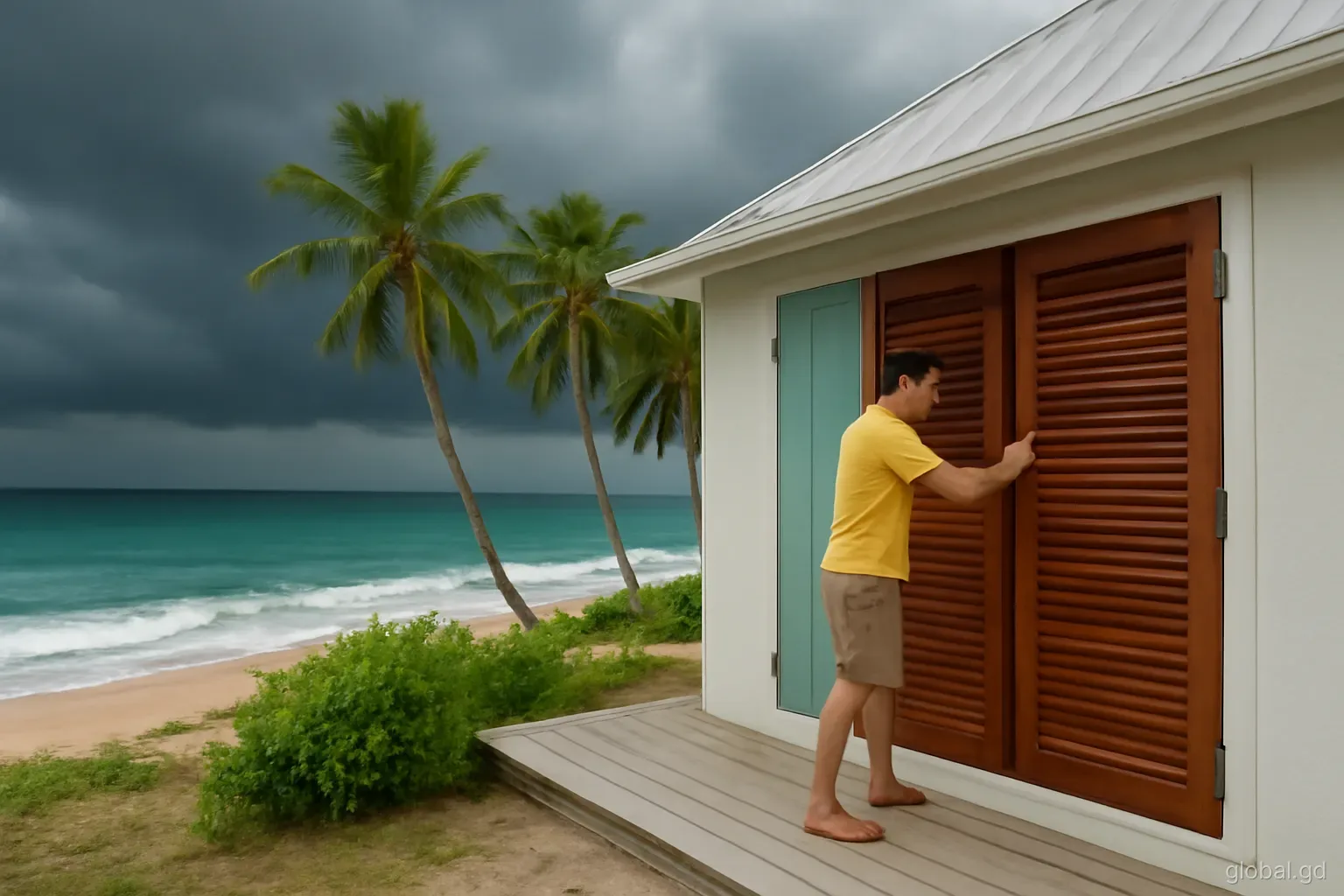
- Hurricane season plan: if your stay falls between June and November, identify the nearest emergency shelter and read the landlord's storm arrangements now rather than when a warning is issued.
Settling in beyond logistics
Remote work can be isolating anywhere, and more so on an island where colleagues are hours away. Grenada makes connection relatively easy: greetings matter, and a "good morning" or "good afternoon" when entering a shop, bus or office is expected and noticed. Taking time to talk to neighbours, vendors and drivers builds the informal network that later solves problems.
Look for regular activities that fit your schedule: early-morning hikes, swimming groups, yoga, sailing, church, volunteer work or sports. The yachting community around the marinas, the university community near True Blue and long-stay residents in the south all have their own networks and social events.
Finally, review your setup at the end of week two. Is the internet holding up? Is the workspace comfortable? Is the area right for the rest of your stay? Adjusting now, while you still have flexibility, is far easier than putting up with a poor fit for months.
Common early mistakes
Leaving the SIM until later. Without local data you depend on your host's Wi-Fi alone. Buy a SIM on day one.
Missing the extension date. Overstaying even briefly can bring fines and complications. Note the date on arrival.
Underestimating the sun. The tropical sun burns quickly, even on cloudy days. Sunscreen, a hat and water are essentials, not extras.
Trying to work full days immediately. Heat and humidity take time to adjust to. A lighter first week often makes the rest of the stay more productive.
Skipping hydration during work. Long sessions at a desk in a warm room lead to mild dehydration, headaches and poor concentration. Keep water at the desk and drink regularly.
Ignoring local etiquette. Starting a conversation without a greeting can come across as rude. A simple good morning or good afternoon makes errands and service noticeably smoother.
Frequently asked questions
What should remote workers do first after arriving in Grenada?
Check your permitted stay on the passport stamp, get EC dollars, buy a local SIM with data and test the internet at your workspace. These steps protect your ability to work and your immigration status from the start.
Do you need a local bank account to stay in Grenada for a few months?
Usually not. International cards work at many businesses and ATMs dispense EC dollars. A local account involves references, proof of address and tax residence forms, so it suits longer stays better than short ones.
Can you drive in Grenada with a foreign licence?
Visitors need a temporary local driving permit in addition to their own licence, usually arranged through the car hire company or the police for a fee. Grenada drives on the left, and roads are narrow and winding.
Which SIM card is best for working remotely in Grenada?
Digicel and Flow both offer 4G data. Many remote workers buy one SIM from each, using one network for daily needs and the other as backup. Choose the primary network based on coverage at your accommodation.
What is the emergency number in Grenada?
The emergency number in Grenada is 911, for police, fire and ambulance. Because many homes lack street numbers, know how to describe your location and route clearly, and keep your accommodation address saved on your phone.