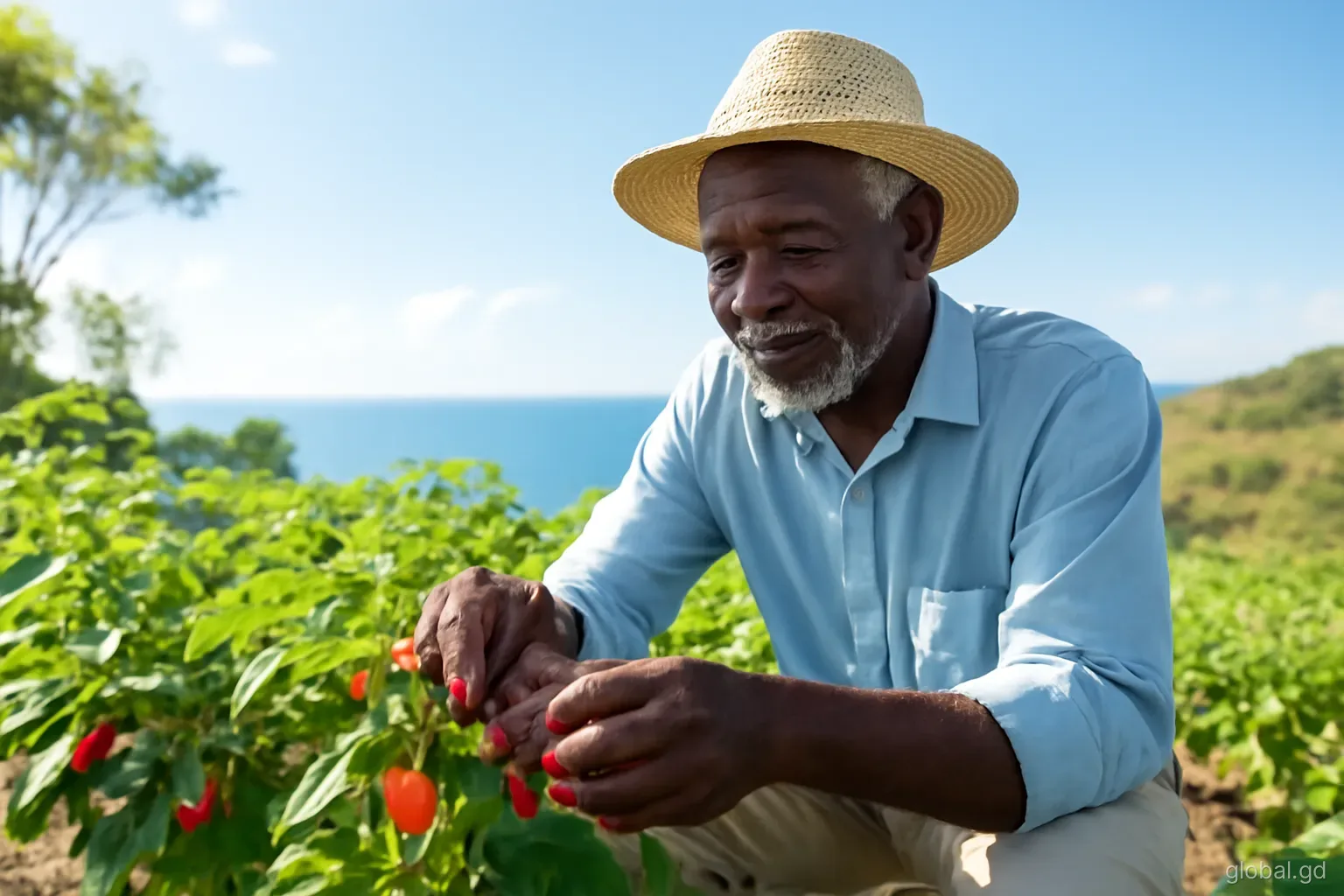
A growing number of people born in New York, Toronto or London to Grenadian parents want to know more than the name of a grandmother's village. They want to know who their great-great-grandparents were, where they came from, and how the family's story fits into the larger history of Grenada, from French settlement and British rule to slavery, emancipation, indenture and migration.
Grenadian family history is rewarding but uneven. Some records are rich and accessible, others were lost to fire, hurricanes, poor storage or never existed in the first place. This article explains the main sources, how they relate to different parts of Grenada's population, and a practical order in which to work. Access arrangements for archives and registries change, so check opening and request procedures with each institution before visiting.
Start with living memory
The best first source is not an archive but your oldest relatives. Ask about names, nicknames, villages, churches, occupations and migrations. Grenadian families often used nicknames, and some people were known by a different surname from the one on their birth certificate, perhaps their father's when their parents were not married, or their mother's. Write everything down, including uncertain details, and note who told you.
Old photographs, funeral programmes, letters, passports, school reports and deeds tucked away in a cupboard are often more useful than any online database. Funeral programmes in particular tend to list children, grandchildren and siblings, giving you a snapshot of a family at a particular moment.
Record conversations, with permission. Voice recordings of elders talking about their childhood, local customs and the people they knew preserve not only facts but accents, expressions and stories that would otherwise vanish. In Carriacou, family knowledge can include an ancestral 'nation', remembered through the Big Drum tradition, which links families to African peoples such as the Cromanti, Ibo, Manding and others.
Civil registration and church records
Civil registration. Births, marriages and deaths in Grenada are registered with the civil registry, and certified copies can be requested through the Registry in St George's. Coverage becomes more complete from the late nineteenth century onward. You generally need the person's name, approximate date and parish to search efficiently.
Church registers. Before and alongside civil registration, baptisms, marriages and burials were recorded by churches. The Roman Catholic and Anglican churches were the largest, with Methodist and other congregations in some areas. Registers are often held by the parish or the church's central office. Write politely, explain what you are looking for, and offer a donation for staff time.
French and Catholic heritage. Grenada was French before it was British, and Catholic records may include entries in French, especially for older periods. Surnames, place names and villages in the north and west often reflect this heritage.
Variations. Expect spelling variations in names, transcription errors and gaps. A great-grandmother recorded as one name in a baptism register may appear differently in a marriage record.
Slavery and emancipation records
Most Grenadians of African descent have ancestors who were enslaved on Grenada's sugar, cocoa and cotton estates. From 1817 to 1834 the British government required registers of enslaved people in its colonies, and Grenada's registers survive in the United Kingdom's national archive, with copies available through some genealogy platforms. They list enslaved people by estate, usually with first names, ages, colour and sometimes country of birth or family relationships.
Linking a modern family to a named person in these registers is difficult, because enslaved people were usually recorded only by first name, and surnames were adopted after emancipation in 1834 and the end of apprenticeship in 1838. The key is often the estate: if family tradition or later records place your ancestors on a particular estate, the registers for that estate may contain them.
Compensation records, created when slave owners were compensated after abolition, can help identify estates and their owners. These records reflect a painful history, and many family historians find reading them difficult. Take your time, and remember that the people listed were far more than the entries that record them. Some descendants find it meaningful to record the names they find and share them with relatives.
Other communities in Grenada's story
Grenada's population was shaped by several later migrations, each with its own records:
- Indian indentured workers arrived from 1857, when the first ship landed, an event marked each year on Indian Arrival Day. Immigration records, ship lists and estate records can help trace them, and many families in St Andrew's, St Patrick's and elsewhere have Indian ancestry.
- Liberated Africans, freed from slave ships intercepted by the British navy, were landed and settled in Grenada in the nineteenth century, and some records of them survive.
- Portuguese workers from Madeira came in the nineteenth century, as they did to Trinidad and Guyana.
- Scottish, Irish, English and French settlers and estate staff left surnames that are still common, including many Scottish names in Carriacou.
- Migrants within the region moved between Grenada, Trinidad, St Vincent and the Grenadines and elsewhere, so a family line may cross to a neighbouring island's records.
A practical order of research
Family historians who make steady progress tend to work in this order:
- Interview older relatives and collect documents, photographs and funeral programmes at home and abroad.
- Build a basic family tree going back as far as living memory allows, with names, approximate dates and parishes.
- Order certified birth, marriage and death certificates from the Registry in St George's to confirm each generation.
- Contact the relevant parish church for baptism, marriage and burial records, especially for generations before reliable civil registration.
- Search online genealogy platforms for transcribed registers, migration records and passenger lists, including records of Grenadians arriving in the United States, Britain and Canada.
- If your family came from a particular estate, look for estate records and the slave registers for that estate.
- Consider a DNA test to find relatives abroad, then compare notes with them.
DNA testing and its limits
Commercial DNA tests have become a popular tool for people of Caribbean descent. Their main value is not the ethnicity estimate, which gives broad regional percentages, but the list of matches: living relatives who have also tested. For Grenadian families scattered across North America and Britain, this can connect branches that lost touch generations ago.
The limitations are real. Ethnicity estimates for African regions are imprecise, and they cannot confirm a link to a specific people or village. Matches depend on who else has tested, and there are fewer testers living in Grenada than in the diaspora. Unexpected results, such as different fathers or unknown siblings, can be emotionally difficult.
Used carefully, DNA works best alongside documents and oral history. A cousin match who shares a surname and a village can confirm a family story, and a shared record can break through a brick wall that documents alone could not.
Visiting Grenada to research
A research trip to Grenada can add a great deal: walking the village where a great-grandmother was born, finding a family grave in a churchyard, or speaking to older neighbours who remember the family. Plan appointments with churches and the Registry in advance, and allow extra time, since requests for older records can take days or weeks to process.
Graveyards in Grenada are often attached to churches or set on village hillsides, and older headstones may be weathered or overgrown. Ask locally before visiting, and treat family plots with respect. The Grenada National Museum in St George's and local heritage groups can provide context on the history of particular areas, even when they do not hold individual records.
Remember that some records were damaged or lost over the centuries, including in fires in St George's and, more recently, in hurricanes. If a record cannot be found, it may simply not have survived, rather than never having existed.
Frequently asked questions
Where can birth, marriage and death certificates be ordered in Grenada?
Certified copies of civil registration records are requested through the Registry in St George's. You usually need the person's full name, an approximate date and the parish. Processing times vary, and requests from abroad may need to go through a relative, a lawyer or Grenada's diplomatic missions.
Are Grenada's slave registers available online?
The registers created between 1817 and 1834 are held by the United Kingdom's national archive, and digitised copies are available through some genealogy platforms. They list enslaved people by estate, usually by first name, so linking them to a modern family generally requires knowing the estate.
When did Indian indentured workers arrive in Grenada?
The first ship carrying Indian indentured workers arrived in 1857, and arrivals continued for several decades. Indian Arrival Day is marked in Grenada each year. Immigration lists, estate records and church or civil registers can help descendants trace these ancestors.
What are the Big Drum nations of Carriacou?
In Carriacou's Big Drum tradition, families remember their descent from African peoples, or nations, such as the Cromanti, Ibo, Manding and others, honoured through specific songs and dances. Family knowledge of a nation can be a meaningful part of tracing roots on the island.
Is a DNA test worth it for Grenadian family history?
It can be, mainly for finding living relatives who have also tested. Ethnicity estimates are broad and imprecise for African regions. DNA works best combined with documents and oral history, and it is most useful for reconnecting diaspora branches of a family.
Why can some Grenadian records not be found?
Some records were never created, others were lost to fires, hurricanes, poor storage or decay. Names were also spelled inconsistently. If a record cannot be found, try alternative sources such as church registers, estate papers or records kept by relatives abroad.