When Hurricane Beryl tore through Carriacou and Petite Martinique in July 2024, Grenadian groups in New York, Toronto and London were collecting water, tarpaulins and generators within days. The same reflex shows up every year in smaller ways: an alumni association replacing a school's computers, a church group in Brooklyn funding a village health day, a hometown club in Toronto paying for a youth cricket team's kit.
Goodwill is not the problem. The difficulties lie in getting goods through customs, choosing the right partner on the ground, avoiding duplication, and making sure a gift is still useful a year later. This article looks at how diaspora giving works in practice and how to make it count. Charity law and customs treatment of donations are specialist areas, so confirm specifics with the Customs and Excise Division, the relevant ministry and, where tax relief abroad is involved, an adviser in your country of residence.
The main channels for diaspora giving
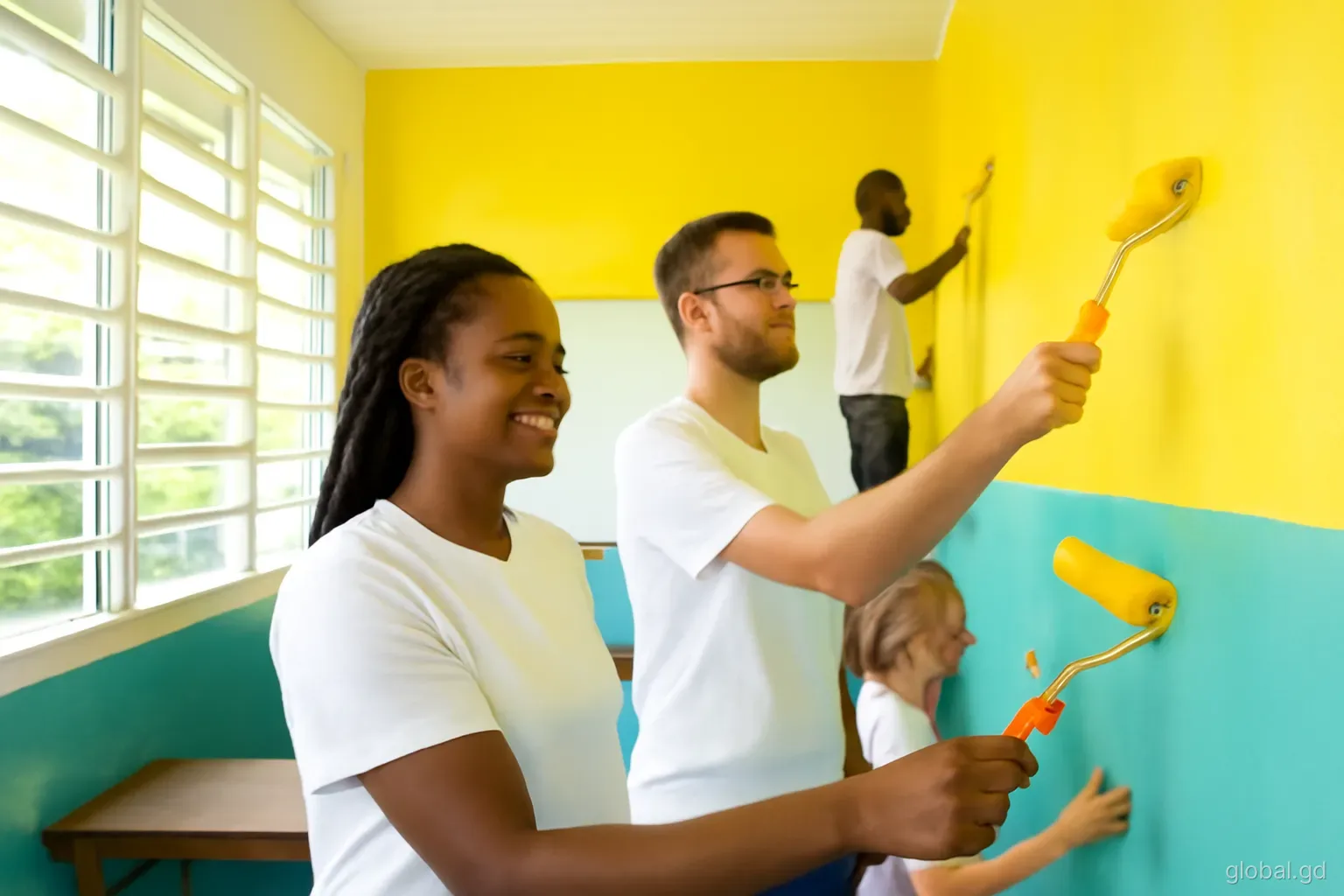
Most organised giving from the Grenadian diaspora flows through a handful of familiar structures. School alumni associations are among the most effective, because they have a clear beneficiary, an established relationship with the school's principal and board, and members who know exactly what the school lacked when they were pupils. Associations linked to secondary schools in St George's, Grenville and Sauteurs regularly fund scholarships, laboratory equipment, sports facilities and repairs.
Hometown and parish associations focus on a village or district: a community centre roof, a playing field, help for elderly residents. Churches abroad often partner with sister congregations in Grenada, which gives them a trusted local channel. Professional networks, such as groups of Grenadian nurses, doctors or engineers abroad, sometimes organise medical missions or skills training.
Then there are individual efforts, from a family paying school fees for a neighbour's child to a single donor funding a library. These can be powerful, but they depend heavily on one person's continued involvement and tend to fade when that person's circumstances change. Linking an individual gift to an established institution usually makes it last longer.
A newer channel is online fundraising, where a group or individual raises money through a crowdfunding page for a specific cause, such as medical treatment or hurricane repairs. These can raise money quickly, but donors have little visibility of how funds are used. Giving through campaigns run by recognised organisations, or by people you know personally, reduces the risk of fraud, which tends to spike after disasters.
Choosing a partner on the ground
Start with institutions. Schools, churches, registered non-profit organisations, health centres and parish-level community groups have accountability structures that an informal contact does not. Ask who will receive the donation, who signs for it and who reports back.
Ask what is needed. The most common waste in diaspora giving is sending what donors have rather than what recipients need. A school may need a reliable internet connection more than another box of used textbooks, or funds for a part-time counsellor rather than computers it cannot maintain.
Check registration. Non-profit organisations in Grenada can be registered under local law. Ask for evidence of registration and, for larger gifts, recent accounts or reports. A legitimate organisation will not be offended.
Avoid parallel structures. Setting up a new project when an existing organisation already works on the same problem splits resources. Coordinate with the ministry, the district or the school before launching something new.
Plan for maintenance. Equipment needs servicing, buildings need upkeep, and programmes need someone to run them. Budget for the second and third year, not just the handover ceremony.
Shipping donated goods: customs is the bottleneck
Donated goods are still imports. A container of hospital beds or school furniture arriving at the port in St George's goes through the same customs entry and examination process as any other cargo, and unless an exemption has been approved in advance, duty, VAT and other charges may be assessed. Groups have discovered this the hard way, with goods sitting at the port accumulating storage costs while someone tries to obtain a waiver.
Exemptions or concessions for charitable donations generally require an application to the government before shipment, often through the ministry responsible for the recipient sector, such as health or education, with final approval involving the Ministry of Finance and Customs. Expect to provide an itemised list, the consignee's details and evidence that the goods are for non-commercial charitable use. Rules and processes change, so confirm them with Customs before you start collecting.
Used goods raise extra questions. Old computers may be classed as electronic waste if they do not work, and secondhand medical equipment can be useless without spare parts and trained technicians. Clothing donations are often less needed than people assume. Cash, sent to a trusted institution that buys locally, is frequently more useful and supports Grenadian businesses at the same time. Local suppliers can also handle warranties and repairs, which donors abroad cannot.
Running a diaspora project well
Groups that deliver lasting results tend to follow a similar sequence:
- Agree a clear, specific goal with the beneficiary, such as repairing a school roof before the hurricane season or funding five scholarships a year.
- Get a written estimate from local contractors or suppliers, so the budget reflects Grenadian costs rather than guesses made abroad.
- Decide whether to send money, goods or both. Where goods are needed, apply for any customs concession before shipping.
- Open a dedicated account abroad for the project and keep receipts for every expense, so donors can see how money was used.
- Appoint a named contact in Grenada who can supervise work, take photographs and report problems promptly.
- Publish a short report to donors when the project is complete, including what went wrong and what it actually cost.
- Plan follow-up: maintenance, renewals or a second phase, with someone responsible for each.
Mistakes worth avoiding
Diaspora groups and their partners at home mention the same problems repeatedly:
- Sending goods without approval, which leads to duty bills or long delays at the port.
- Branding over substance. A plaque or ceremony is pleasant, but recipients care more about whether the equipment works next year.
- Bypassing the institution. Handing gifts to a favourite teacher rather than the school can create confusion and resentment.
- Disaster donations without coordination. After hurricanes, the National Disaster Management Agency (NaDMA) and recognised relief organisations coordinate needs. Uncoordinated shipments can clog ports and warehouses with the wrong items.
- Assuming tax relief. Whether a donation is tax-deductible abroad depends on the rules of your country of residence and the status of your organisation, not on Grenadian law.
Giving skills and time
Money and goods are not the only contributions. Grenadians abroad with professional skills, in accounting, nursing, software, teaching, engineering or law, can offer mentoring, short training visits or remote support to schools, clinics and small businesses. Universities and secondary schools often welcome alumni talks about careers, and young people benefit from hearing directly from someone who left the same village and built a career abroad.
Volunteering in person still requires care. Professionals such as doctors and nurses usually need temporary registration with the relevant Grenadian council before practising, even on a short medical mission, and anyone working with children should expect safeguarding checks. Organise these permissions well ahead of the trip, and agree with the host school or clinic exactly what you will do, so your visit fits their calendar rather than disrupting it.
Some of the most effective diaspora contributions are quiet ones: helping a young relative apply for a scholarship, connecting a Grenadian farmer with a buyer abroad, or advising a local business on export packaging. These cost little, build lasting links and keep the diaspora connected to Grenada's development in a practical way. Universities abroad with Grenadian staff or students can also be useful partners for research, exchanges and short placements.
Frequently asked questions
Do donated goods sent to Grenada pay customs duty?
They can. Donations go through normal customs procedures, and unless an exemption or concession has been approved before shipment, duty, VAT and other charges may apply. Apply through the relevant ministry and confirm the process with the Customs and Excise Division before collecting goods.
Is it better to send money or goods?
Often money, sent to a trusted, accountable institution that buys locally. It avoids shipping costs and customs delays, supports Grenadian businesses, and ensures the items suit local conditions. Goods make sense when something is genuinely unavailable in Grenada or much cheaper abroad.
How should diaspora groups help after a hurricane?
Follow the guidance of the National Disaster Management Agency and recognised relief organisations, which coordinate needs. Cash donations to established organisations are usually most useful early on. Shipping goods without coordination can clog ports and warehouses with items that are not needed.
Can Grenadian doctors abroad volunteer on a medical mission?
Yes, but health professionals usually need temporary registration or permission from the relevant Grenadian professional council before practising, even briefly. Arrange it well in advance, and coordinate with the Ministry of Health or the host facility so the mission fits local needs.
How do alumni associations decide what to fund?
The strongest ones ask the school's principal and board for a priority list, get local quotes and fund specific projects with a clear budget. They avoid sending equipment the school cannot maintain and they report back to members on spending and results.