A car is close to essential for most people who live in Grenada outside central St George's. Route buses are cheap and frequent on the main corridors, but they thin out in the evenings, many homes sit up steep side roads, and errands from Grand Anse to Grenville or the north of the island add up quickly. Newcomers soon face the question of whether to ship the vehicle they already own or buy one after arriving.
The answer is usually less obvious than it looks. Import duties and taxes on vehicles in Grenada are substantial, the island drives on the left, and the local market is dominated by right-hand-drive vehicles, many of them used imports from Japan. A car that makes perfect sense in Florida or Ontario may be expensive to clear and awkward to drive on Grenada's narrow hill roads. This guide sets out the factors that decide the question and the steps that follow either choice.
Start with the road and the steering wheel
Grenada drives on the left, and most vehicles on the island are right-hand drive. Left-hand-drive cars are not unknown, but importing one can face restrictions or additional conditions, and they are less practical for overtaking on two-lane roads and pulling out of tight junctions. Anyone thinking of shipping a left-hand-drive car from North America should confirm the current rules with the Customs and Excise Division and the licensing authorities before booking a sailing.
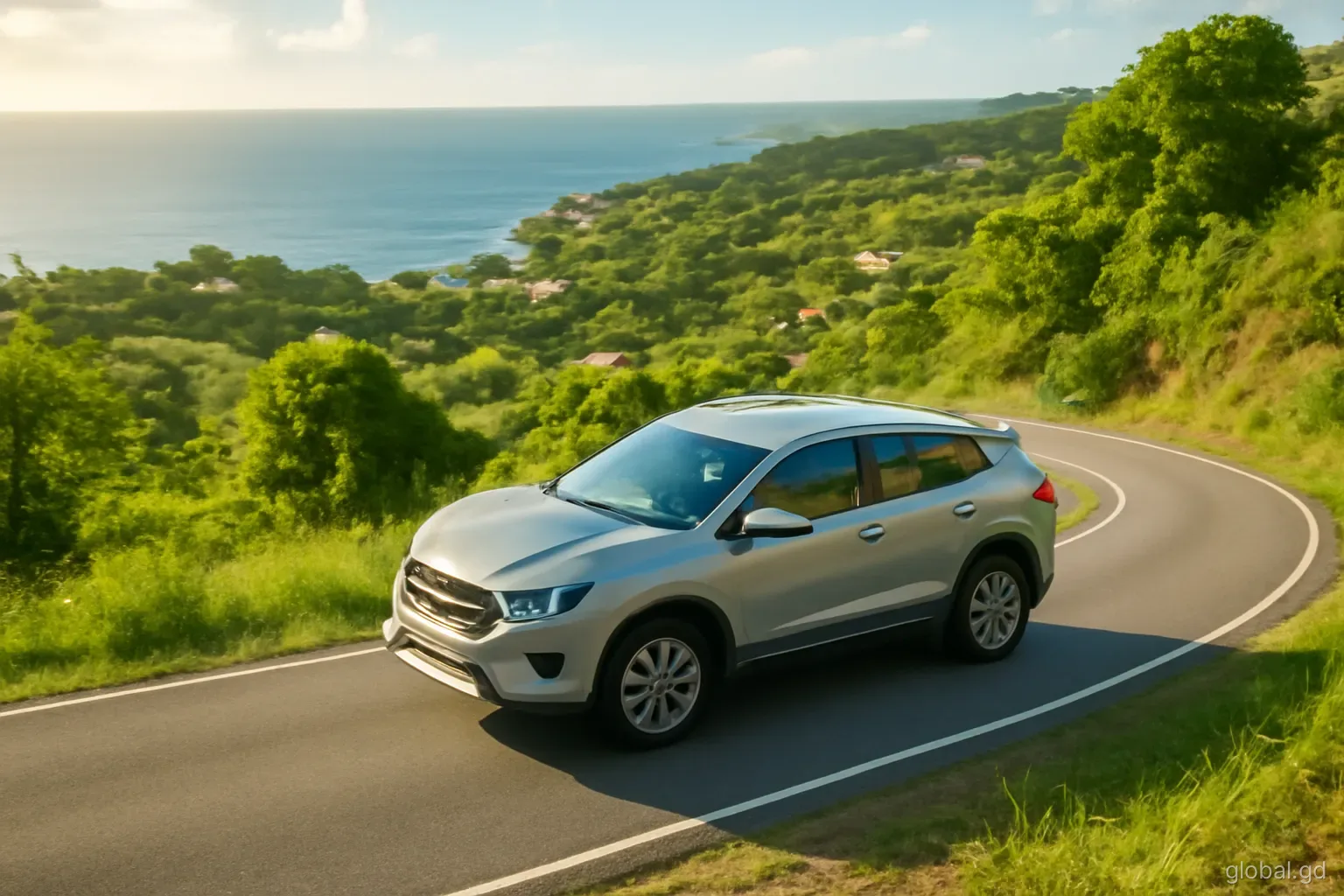
Road conditions matter as much as the regulations. Many roads are narrow, steep and winding, with deep drains along the edges and few pavements. Heavy rain creates potholes and washouts in the rainy season. Compact cars and small SUVs with decent ground clearance are popular for good reason. A large pickup or a low sports car can be miserable on some routes, especially in the hills above St George's or the interior roads through St Andrew and St David.
Fuel consumption also counts. Petrol is imported and priced well above US levels, so large engines are costly to run on daily errands.
What it costs to bring a car in
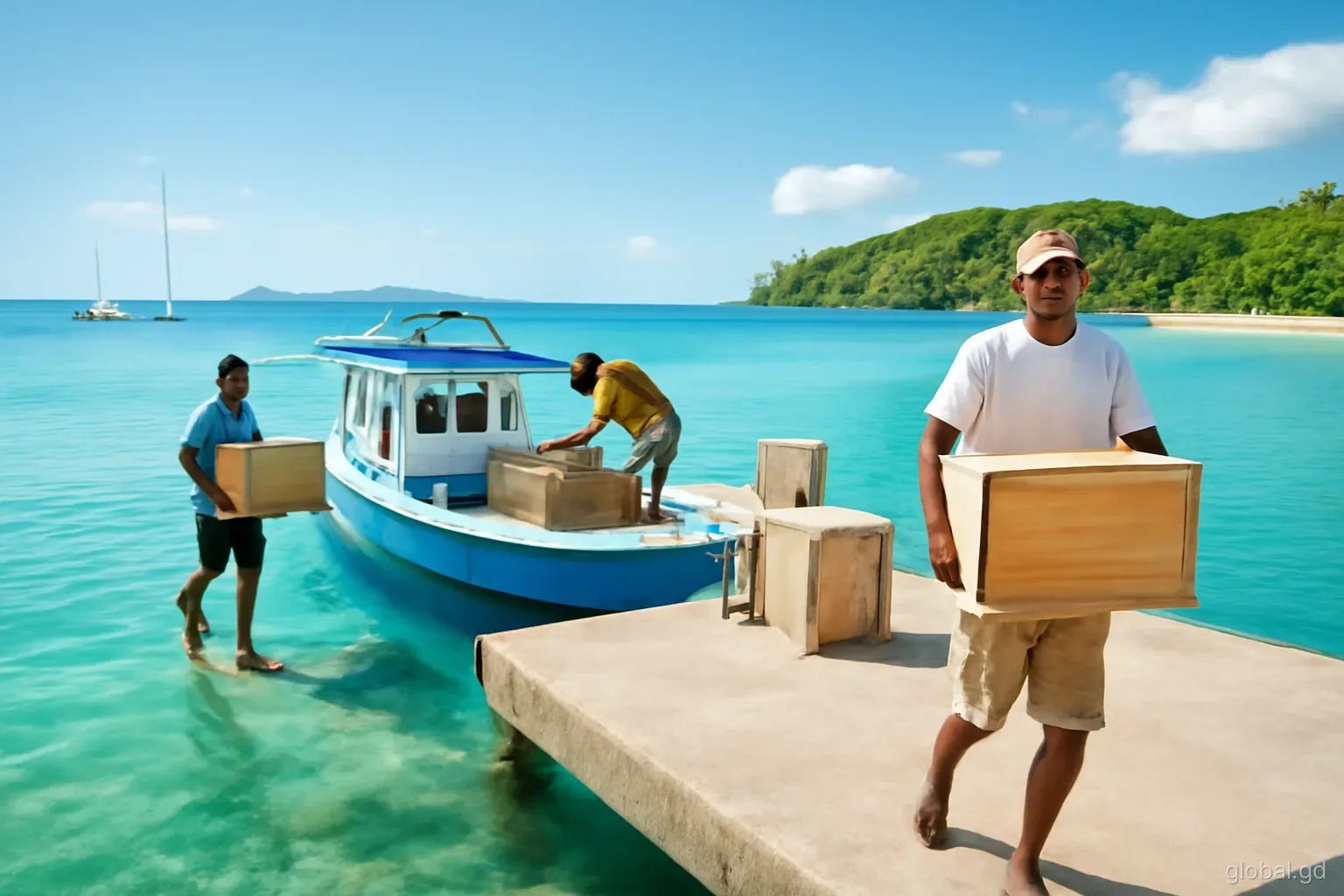
Freight. Shipping a car from Florida is a well-trodden route, either roll-on/roll-off where available or in a container. From the UK, transhipment adds cost and time. Get quotes that include destination port charges.
Duties and taxes. Imported vehicles attract import duty, an excise or similar tax, VAT and other levies, typically calculated on the vehicle's value including freight and insurance, and often varying with engine size and age. Together these can add a large percentage to the vehicle's value. Ask a licensed customs broker for an estimate on your specific car before shipping.
Age rules and levies. Older vehicles can face higher charges or restrictions, as Grenada, like other islands, discourages imports of ageing cars. Confirm the current position for your vehicle's year.
Concessions. Returning nationals may qualify for concessions on a vehicle under conditions. Foreign residents generally do not, unless covered by a specific arrangement.
Registration and inspection. Once cleared, the car must be registered and licensed in Grenada, with plates issued locally, and insured. Budget for these fees and for any modifications needed.
Buying a car in Grenada
The local market has three main channels. Franchise dealers in and around St George's sell new vehicles, mainly Japanese and Korean brands, with warranties and local servicing. Used-car importers bring in second-hand vehicles, a large share from Japan, already right-hand drive and suited to local roads. Private sales, found through word of mouth, social media and community groups, make up the rest.
Prices for used cars in Grenada are generally higher than for comparable vehicles in North America, because duties have been paid on them. That cuts both ways: the car you buy locally already carries those costs, while the car you ship will acquire them on arrival. Comparing the landed cost of your own car with the price of a similar local vehicle is the core calculation.
Parts and servicing are a strong argument for popular local models. Mechanics across the island know common Japanese vehicles well, and parts are easier to source. A rare European or American model may sit for weeks waiting for a part to arrive from abroad.
When shipping your own car makes sense
Shipping is more likely to pay off in a few specific situations:
- You qualify for returning national concessions and your vehicle meets the conditions.
- The car is relatively new, right-hand drive, suited to local roads and of a make that can be serviced locally.
- You are already shipping a container and the car can travel in it with your household goods.
- You own a specialised vehicle, such as an adapted car for a driver with a disability, that would be hard to find locally.
- A broker's estimate of duties and charges shows a landed cost below the price of a comparable local car.
- You plan to stay long enough for the saving, if any, to outweigh the effort, delay and risk of the import process. For a stay of a year or two, selling at home and buying locally is often simpler.
Getting on the road legally
Whatever you decide, the licensing steps follow a broadly similar path. Procedures and fees are set by the authorities and change, so confirm each step locally:
- On arrival, drive on a local driving permit. Visitors with a valid foreign licence can obtain a temporary permit, often arranged through car hire firms or at the traffic department of the police.
- If you are becoming resident, find out the current process for obtaining a Grenada driving licence, which is handled through the licensing office of the Inland Revenue Division with the police traffic department.
- For an imported car, complete customs clearance through a broker and obtain the release documents.
- Register and license the vehicle, and obtain Grenadian plates.
- Arrange insurance. Third-party cover is the legal minimum; comprehensive cover is advisable, especially for newer vehicles and in hurricane season.
- Keep the licence, registration and insurance documents in the vehicle or readily available for police checks.
Mistakes newcomers make
The most common errors are predictable and avoidable:
- Shipping before checking rules. Booking freight before confirming the import status of a left-hand-drive or older car can leave a vehicle stuck at the port.
- Underestimating landed cost. Freight is the small part; duties, taxes and fees are the large one.
- Buying too much car. Big vehicles struggle on narrow roads and cost more to run.
- Skipping a mechanical inspection on a used purchase. Salt air and steep roads wear brakes, suspension and underbodies. Have an independent mechanic check any used car.
- Driving on an expired visitor permit. Temporary permits are time-limited. Move to the correct licence once resident.
- Ignoring the rainy season. Floods and landslides can block roads. Comprehensive insurance and a car with some clearance help.
Living without a car
Some newcomers manage without owning a car, at least at first. Route buses run frequently along main corridors such as the Grand Anse to St George's route, and fares are low. Taxis fill the gaps, though they are expensive for daily use. Car hire works for occasional trips into the countryside.
Walking needs care. Many roads have no pavements, drivers move quickly on bends, and evening light fades fast in the tropics, around six to half past six most of the year. Cycling is possible for the fit and confident, but the hills and heat are demanding.
Living within walking distance of essentials, such as parts of Grand Anse, Morne Rouge or central St George's, makes a car-free life realistic. In Lance aux Epines, Westerhall or the hills above town, it becomes much harder. Renting first and deciding on a car after a few months on the island avoids an expensive early mistake.
Frequently asked questions
Does Grenada drive on the left or the right?
Grenada drives on the left, and most vehicles are right-hand drive. Left-hand-drive cars can face import restrictions or extra conditions and are less practical on narrow two-lane roads. Confirm current rules before shipping a left-hand-drive vehicle from North America or continental Europe.
Is it expensive to import a car into Grenada?
Usually, yes. Import duties, excise-type taxes, VAT and other levies are applied to the vehicle's value including freight, and together they add a significant share to the cost. Charges can vary with engine size and age. Ask a licensed customs broker for an estimate on your specific vehicle.
Can someone drive in Grenada with a foreign licence?
A valid foreign licence is the basis for a temporary local driving permit, which visitors need to drive legally. Permits are often issued through car hire firms or the police traffic department. People settling in Grenada should move to a Grenada driving licence and confirm the current process locally.
What cars are most common in Grenada?
Compact cars, small SUVs and pickups, mainly Japanese and Korean brands, dominate the roads. Many are used imports from Japan, which are right-hand drive and suit local conditions. Popular models are easier to service and repair because mechanics and parts suppliers know them well.
Do returning nationals pay duty on a car?
Returning nationals may qualify for concessions on a vehicle under the returning nationals arrangements, subject to conditions on time spent abroad, ownership and the vehicle itself. Rules change, so confirm eligibility with the designated government office and customs before shipping the car.