Carriacou draws a particular kind of newcomer: people who find even Grenada's main island a little too busy. The largest of Grenada's sister islands, around 30 kilometres north of the mainland, is quieter, drier and more tightly knit, with a strong sense of identity built on boatbuilding, seafaring and traditions such as the Big Drum. Petite Martinique, smaller still, lies just to the east.
Moving there involves everything a move to Grenada does, plus a layer of island-on-island logistics. Almost everything, from your furniture to building materials and medical specialists, comes via the main island first. Hurricane Beryl, which struck Carriacou and Petite Martinique directly in July 2024, added the realities of rebuilding. This guide sets out what is different about relocating to the sister islands and how to plan for it.
Getting there and back, routinely
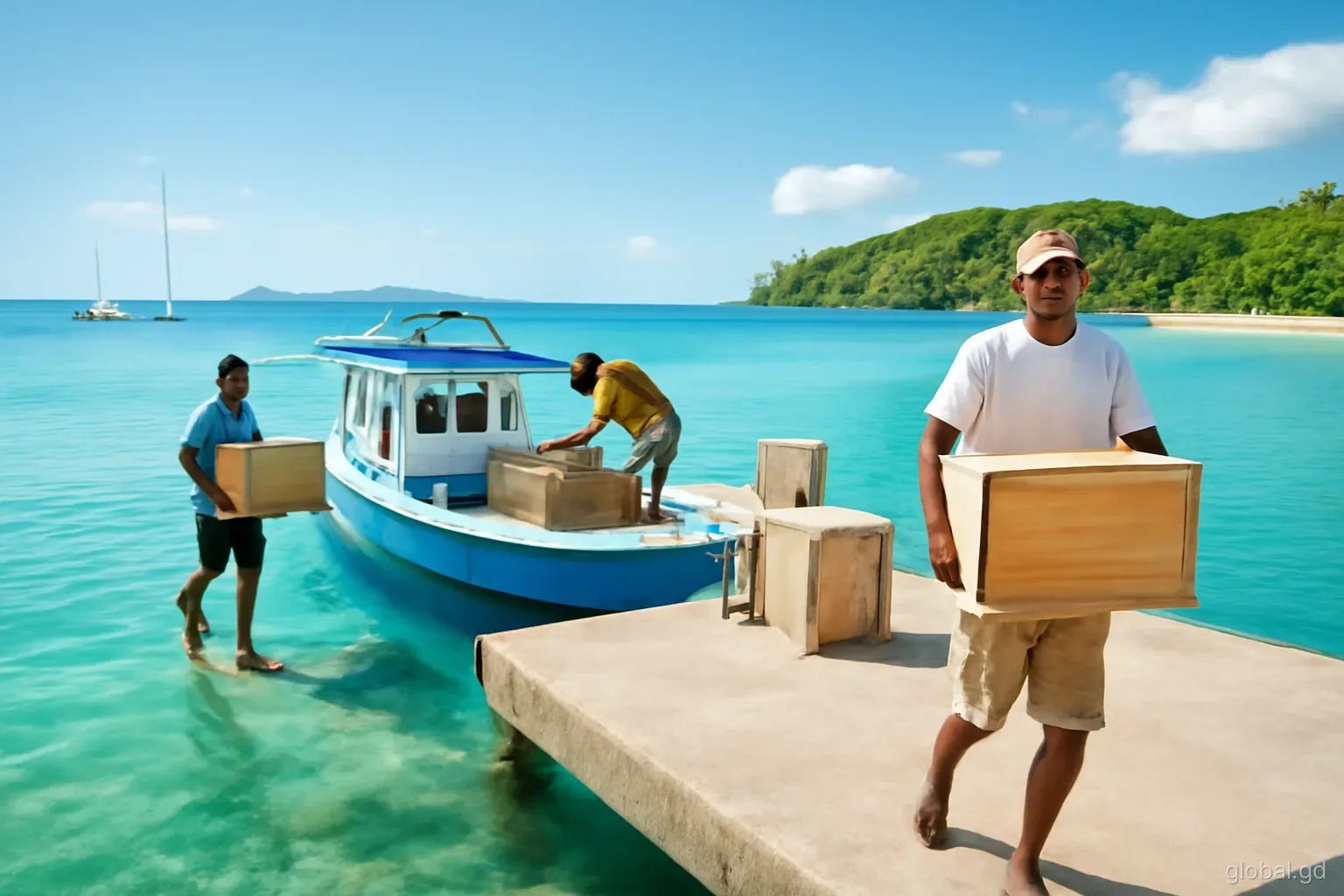
Carriacou has two links with the main island. The passenger ferry between St George's and Hillsborough, with onward service to Petite Martinique, is the everyday route for residents. The crossing takes around two hours on the fast ferry and can be rough when the trade winds are strong. Small aircraft fly between Maurice Bishop International and Lauriston Airport near Hillsborough, taking a fraction of the time but carrying few passengers and strict baggage limits.
For a resident, these links shape life. Medical appointments, government business that cannot be handled locally, major shopping and international flights all mean a trip to the main island, often with an overnight stay. Sailings and flights can be cancelled in bad weather, so building flexibility into plans becomes second nature.
Travel costs add up. A resident who crosses to the main island every couple of weeks for work, healthcare or supplies will spend a meaningful sum each year on ferry tickets or flights, plus accommodation and taxis in St George's. Factor this into any budget comparison between Carriacou and the main island, where lower property prices on the sister island can be partly offset by the cost of staying connected. Water taxis also link Carriacou with Petite Martinique and nearby islands such as Union Island in St Vincent and the Grenadines, which requires clearing immigration.
Schedules and operators have changed over the years and were disrupted after Hurricane Beryl. Check current timetables directly with the ferry and air operators rather than relying on older information.
Moving your belongings
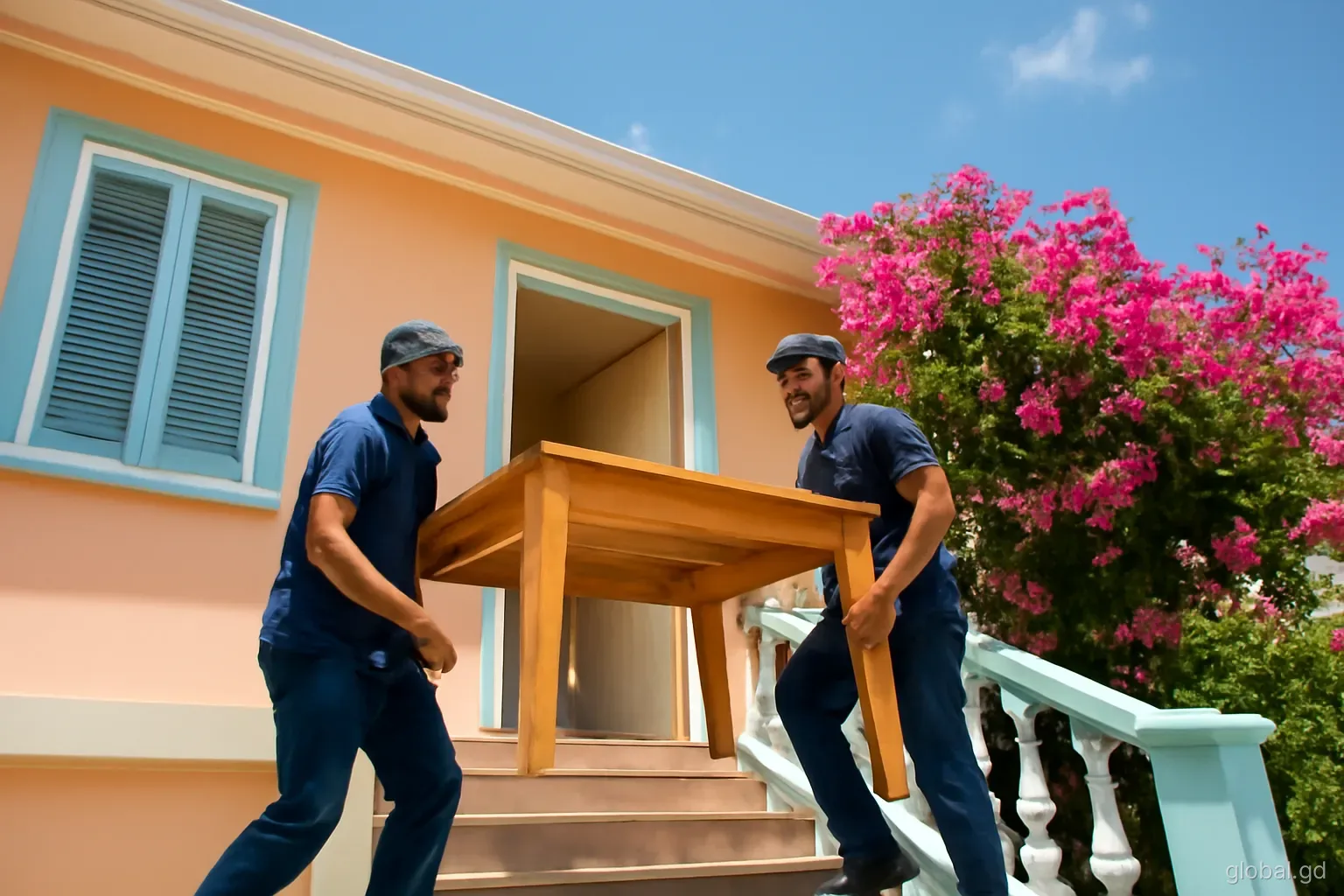
Via St George's. International shipments arrive at the main port in St George's, where they are cleared through customs. From there, goods travel to Carriacou on cargo vessels that serve Hillsborough, adding time, handling and cost.
Choose an experienced mover. Ask whether the international mover or their Grenada agent has handled deliveries to Carriacou before, and whether the quote includes the inter-island leg and delivery on Carriacou.
Pack for extra handling. Goods may be unloaded and reloaded several times. Crates and robust packing protect furniture better than standard cartons.
Smaller loads are simpler. Many residents ship less and buy locally or on the main island, transporting goods over in manageable loads.
Vehicles. Cars can be brought over on cargo vessels. Roads on Carriacou are fewer and shorter, so a small, robust vehicle suits most needs.
Water, power and the dry climate
Carriacou is noticeably drier than the main island, with no permanent rivers and long dry spells. Most homes rely on rainwater collected from roofs into cisterns, supplemented in places by public supply and by water trucked or desalinated where available. Understanding a property's water storage is essential: a large, well-maintained cistern and gutters in good order make the difference between comfort and constant worry in the dry season.
Electricity on Carriacou and Petite Martinique is supplied by GRENLEC, and solar power is increasingly common for homes and businesses. After Hurricane Beryl, the restoration of power and water networks took time, and many residents now see backup power and generous water storage as basic requirements rather than extras.
The dry climate also affects gardening, construction timelines and fire risk on hillsides during the driest months.
Building and rebuilding after Beryl
Hurricane Beryl passed directly over Carriacou and Petite Martinique on 1 July 2024 as a major hurricane, damaging or destroying a large share of homes, public buildings and infrastructure. Recovery and rebuilding have been under way since, supported by government programmes and regional and international partners. Newcomers arrive into that context, and it shapes the housing market, the availability of builders and materials, and the priorities of the community.
Anyone buying or renting should look closely at how a property has been repaired or rebuilt, and to what standard. Roof construction, fixings, window protection and the condition of cisterns all matter. Independent inspection by a qualified professional is worth the cost. Building materials must come from the main island or abroad, so construction is slower and more expensive than on Grenada.
Insurance is another consideration. Ask insurers directly about windstorm cover for Carriacou properties, deductibles and any conditions on construction standards. Prices and availability can differ from the main island.
A trial run before committing
Because Carriacou is so different from the main island, a structured trial stay is the best protection against an expensive mistake:
- Rent a furnished place for at least a month, ideally including part of the dry season, to experience water constraints and heat.
- Make the round trip to St George's at least twice, by ferry and by air if possible, to understand the time, cost and weather risk involved.
- Visit the hospital, health centres, bank, supermarkets and government offices you would rely on, and ask what services are currently available.
- Talk to long-term residents, both Carriacouans and newcomers, about rebuilding after Beryl, trades availability and daily life.
- Inspect several properties, paying attention to roof construction, cisterns and access roads.
- Test internet speeds at the addresses you are considering if you plan to work remotely.
- Price a typical week of groceries and household goods, compared with the main island.
Services on the sister islands
Daily services exist on Carriacou, but on a smaller scale than on the main island. Before committing, confirm the current position on:
- Healthcare. Princess Royal Hospital at Belair provides hospital care, and health centres serve communities. Serious cases are typically transferred to the main island. Check current services, given storm damage to facilities.
- Banking. Banking services are concentrated in Hillsborough. Keep a cash reserve and check which banks and ATMs operate.
- Shopping. Supermarkets and shops in Hillsborough and villages carry the basics; prices are often higher than on the main island because of freight. Many residents shop in bulk on trips to St George's.
- Schools. Government and church schools provide primary and secondary education. Families should check options and capacity well ahead.
- Government services. The Ministry responsible for Carriacou and Petite Martinique Affairs and local offices handle many matters, though some processes still require visits to St George's.
- Internet and phones. Digicel and FLOW serve the islands. Confirm coverage and broadband options at the specific address.
Community, pace and fitting in
Carriacou's community is small and close. People know one another, and newcomers are noticed quickly. Respect for local customs, traditions such as the Big Drum and Maroon festivities, and the island's seafaring heritage goes a long way. Carriacou Regatta in early August and other festivals are highlights of the year and good occasions to meet people.
The pace is slower even than on the main island. Shops may close early, services may wait for the next boat, and patience is essential. Most newcomers who stay describe the trade as worthwhile: quiet roads, clear water, strong community and a scale of life that is increasingly rare.
Petite Martinique deserves its own word. Its population is small, its community tightly knit around fishing and seafaring families, and services are limited. Relocating there is a much larger step than moving to Carriacou, and a long trial stay is wise.
Frequently asked questions
How do people get from Grenada to Carriacou?
The passenger ferry from St George's to Hillsborough takes around two hours and continues to Petite Martinique. Small aircraft fly between Maurice Bishop International and Lauriston Airport on Carriacou in much less time but with tight baggage limits. Check current schedules with operators, as services change and weather can cause cancellations.
Is it hard to ship household goods to Carriacou?
It takes extra steps. International shipments clear customs in St George's, then travel by cargo vessel to Hillsborough before delivery. Choose a mover with Carriacou experience, confirm the inter-island leg is included in the quote, and pack robustly for additional handling.
How did Hurricane Beryl affect Carriacou?
Hurricane Beryl struck Carriacou and Petite Martinique directly on 1 July 2024, damaging or destroying a large share of homes, public buildings and infrastructure. Rebuilding has been under way since. Newcomers should check the condition and repair standard of any property and the current status of local services.
Where does water come from on Carriacou?
Carriacou has no permanent rivers, and most homes rely on rainwater collected from roofs into cisterns, supplemented by public supply, trucked water or desalinated water where available. Adequate storage is essential, especially in the dry season. Check cistern size and condition before renting or buying.
Is there a hospital on Carriacou?
Princess Royal Hospital at Belair provides hospital care on Carriacou, supported by community health centres. Patients needing specialist or advanced treatment are generally transferred to the main island or abroad. Services were affected by Hurricane Beryl, so check current availability before relying on them.