Grenada has generated almost all of its electricity from imported diesel for decades. That leaves power prices tied to world oil markets and makes energy one of the largest costs for hotels, processors and households. Government policy has for years aimed to raise the share of renewables sharply, and the island has strong solar resources, some wind potential and, according to exploration work, possible geothermal resources linked to its volcanic geology.
For investors, the sector offers opportunities from rooftop solar installation and battery storage to larger generation projects and efficiency services. It is also a regulated industry with a history of legal disputes over the utility's licence and ownership, so the rules matter as much as the sunshine. This article explains the framework, the realistic opportunities and the questions to settle before investing.
How the power sector is organised
The Grenada Electricity Services Ltd, known as GRENLEC, generates, transmits and distributes electricity on the main island and Carriacou. For many years it held an exclusive licence. Its ownership has included a strategic foreign shareholder, the government, the National Insurance Scheme and public shareholders, and the terms of its licence and the relationship with government have been the subject of long-running disputes and negotiations.
The Electricity Supply Act of 2016 reformed the sector. It provided for independent regulation through the Public Utilities Regulatory Commission (PURC), opened the door to independent power producers, and set out rules for self-generation and connecting renewable systems to the grid. Implementing those reforms has taken time, and some issues have been contested.
Because the arrangements between government, the utility and its shareholders have shifted over the years, anyone investing in the sector should get up-to-date advice on the current licence position, regulatory decisions and pending policy changes before relying on any particular structure.
Where the investment opportunities are
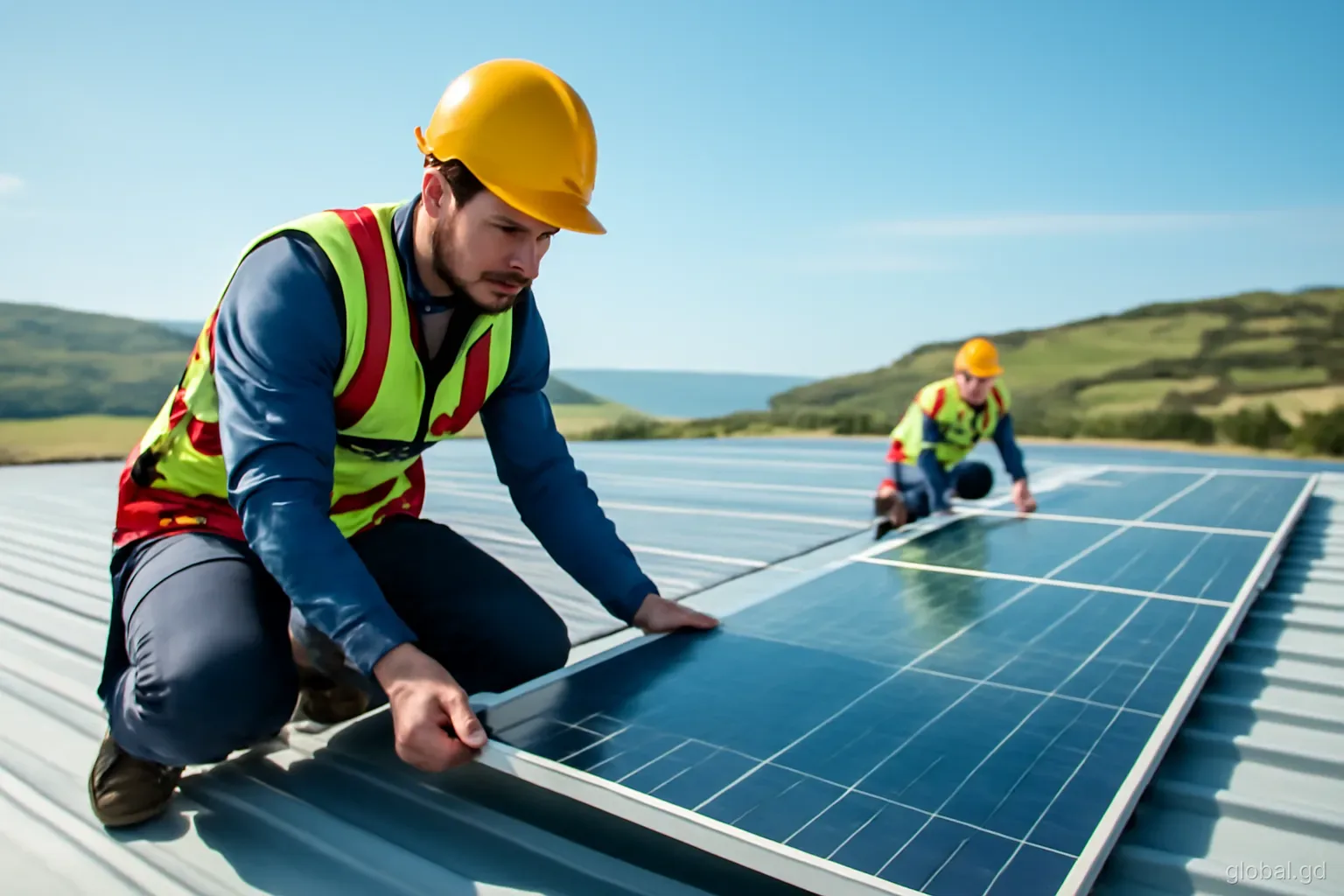
Rooftop solar for businesses. Hotels, supermarkets, warehouses, schools and processors with daytime loads are natural candidates. The economics depend on the tariff, grid connection rules and how surplus power is credited.
Battery storage and resilience. After hurricanes, power can be out for days or weeks in affected areas. Solar with storage offers resilience as well as savings, which is increasingly valued by businesses and households.
Installation and maintenance services. Growing demand needs trained installers, electricians and maintenance providers. Service businesses can scale without owning generation assets.
Energy efficiency. LED lighting, efficient air conditioning, solar water heating and building design can cut bills quickly, often with shorter paybacks than generation.
Utility-scale generation. Larger solar, wind or hybrid plants selling power under a contract depend on the regulatory framework and on agreements with the grid operator. They suit experienced developers with access to concessional finance.
Geothermal. Exploration has assessed geothermal potential in the north of the island. Development is a long-term, high-risk endeavour typically led by government with international partners.
Grid connection and self-generation
Connecting a solar system to the grid requires approval. Investors and installers must comply with technical standards for inverters, protection and metering, and arrange for the system to be inspected. The rules on how much capacity a customer can install, and how exported power is credited, are set by regulation and utility policy and have changed over time.
Some customers choose to self-consume with batteries and minimal export, which reduces dependence on export credit rules. Others size systems to cover daytime load. In each case the business case should be modelled using current tariffs, fuel surcharges and connection terms obtained in writing.
Off-grid systems may suit remote properties, but the cost of storage and backup generation needs to be weighed against grid supply. On Carriacou and Petite Martinique, small grids and the damage from Hurricane Beryl in July 2024 have made resilient generation a particular priority; check the current situation before planning a project there.
Modelling the business case honestly
A solar proposal for a Grenadian business should start from twelve months of real electricity bills, split into energy charges, fuel surcharges and fixed charges, and from the pattern of use through the day. A hotel that runs air conditioning at night needs storage to benefit fully, while a supermarket or office with heavy daytime loads can use most solar output directly.
Fuel surcharges move with oil prices, so savings vary from year to year. Model a range rather than a single fuel price, and avoid presenting the best year as typical. Include inverter replacement during the system's life, cleaning and maintenance, insurance and the possibility of storm damage.
Be careful with assumptions about export credits. If a large part of the return depends on selling surplus power to the grid at a favourable rate, a change in policy can wipe out the case. Systems sized mainly for self-consumption are less exposed. Present the numbers to customers conservatively; trust is the main currency in a market where everyone knows everyone.
Risks and pitfalls to check
Energy projects carry technical, regulatory and climate risks. A careful investor checks:
- The current regulatory framework and any pending changes to licences, tariffs or connection rules.
- Whether exported power is credited, at what rate, and whether that rate is guaranteed for a period.
- Hurricane design: mounting systems and roofs must withstand high winds, and panels should be insured.
- Salt and heat: equipment near the coast corrodes faster; specify marine-grade components and plan maintenance.
- Import procedures and duty treatment for panels, inverters and batteries, including any renewable energy concessions.
- Installer qualifications and warranties that will actually be honoured locally.
- Battery disposal and end-of-life arrangements, which small islands handle with difficulty.
- Counterparty risk on power purchase agreements, including how disputes are resolved.
Finance and partners
Climate and energy finance is more available in the Caribbean than many investors expect. Regional and international development banks, climate funds and bilateral partners have supported renewable energy and resilience projects in the Eastern Caribbean, often through governments or local banks. The Grenada Development Bank and commercial banks have offered loans for solar and efficiency for businesses and homes from time to time.
Partnerships with local electrical contractors, engineering firms and hotel groups can help foreign investors enter the market. A local partner understands permitting, customer relationships and labour, while the investor brings technology and capital.
Tax and duty treatment of renewable equipment has been adjusted in budgets to encourage adoption. Ask the Grenada Investment Development Corporation and the Customs and Excise Division about current concessions, and confirm the legal and tax structure of any project with licensed Grenadian professionals.
Development finance usually comes with conditions: environmental and social safeguards, procurement rules, reporting and sometimes local content requirements. Factor the time and cost of meeting them into the plan, and be wary of projects whose viability depends on a grant that has not yet been approved.
A practical way in
For most private investors, the safest entry is through behind-the-meter projects: installing solar and storage for businesses with strong daytime loads and creditworthy owners, or providing efficiency services that save money immediately. These projects depend less on long-term contracts with the utility and can be scaled one customer at a time.
Larger generation projects are for developers who are prepared for lengthy negotiations, regulatory processes and significant capital at risk. In either case, the starting point is the same: understand the current rules from the regulator and the utility, speak to existing installers and customers, and get legal advice before signing any long-term agreement.
Track record matters in a small market. Installers and developers who complete a few well-documented projects, publish honest performance figures and respond quickly when equipment fails after a storm find that referrals from hotels and businesses follow. A reputation for leaving customers with dead inverters and unanswered calls spreads just as quickly.
Frequently asked questions
Can a business install its own solar panels in Grenada?
Yes, subject to approval and technical requirements for connecting to the grid. Businesses commonly install rooftop solar to cut daytime power costs. Check current connection rules, capacity limits and how exported power is credited before sizing a system.
Who regulates electricity in Grenada?
The Public Utilities Regulatory Commission was established under the Electricity Supply Act of 2016 to regulate the sector, including tariffs and licensing. Its decisions and the utility's licence terms should be checked before any energy investment.
Does Grenada have geothermal energy?
Exploration work has assessed geothermal potential in the north of the main island, linked to its volcanic geology. Development is long-term and costly, and has been pursued by government with international partners rather than by small private investors.
Are solar panels duty-free in Grenada?
Renewable energy equipment has received favourable duty treatment in some budgets to encourage adoption. The current position can change, so confirm with the Customs and Excise Division or a customs broker before importing equipment.
Why is electricity expensive in Grenada?
Most power has been generated from imported diesel, so tariffs and fuel surcharges follow world oil prices and shipping costs. Small scale, island grids and the cost of maintaining infrastructure through hurricanes also add to the price.